Source anti aging silk eye mask for Sleep, Health Care, and Nourishing
Compare 30 listings for the anti aging silk eye mask featuring materials like silk and cool gel. Buyers can evaluate customization options, MOQs, and certifications from suppliers in China and Shanghai.
Key considerations
Products List


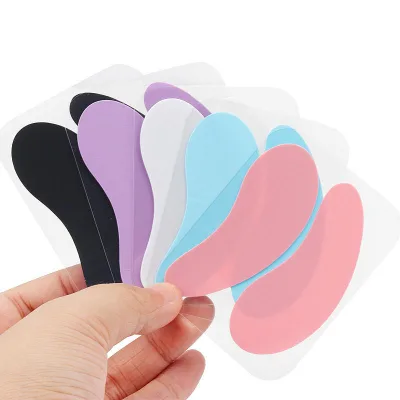


Comprehensive Sourcing Guide
Strategic Sourcing Guide for Anti-Aging Silk Eye Masks
Understanding Product Variability and Core Specifications
When sourcing anti-aging silk eye masks, buyers must first recognize that the term "silk eye mask" encompasses a diverse range of product configurations rather than a single standardized item. The observed market data reveals significant variation in material composition, with some listings explicitly identifying "Silk" as the primary material, while others list "Cool Gel" or "Customized" materials. This distinction is critical for procurement strategies focused on anti-aging benefits, as genuine silk is often preferred for its hypoallergenic properties and ability to reduce friction on delicate skin, whereas gel-based masks may prioritize temperature therapy over material texture.
The technical specifications for these products vary widely in dimensions and form factors. Observed standard sizes include measurements such as 2010cm, 219.5cm, and generic "standard size" or "Normal Size" designations. Buyers should verify that the supplier provides precise dimensional data for any specific SKU, as the fit of an eye mask directly impacts its efficacy in preventing sleep wrinkles and maintaining skin hydration. The product form is consistently identified as a "Mask," designed for "Adults," with specific features ranging from "Sleep" support to "Keep Warm," "Health Care," and "Support." While the core keyword emphasizes anti-aging, the functional attributes observed in the supply base include "Nourishing" properties and "Keep Warm" capabilities, suggesting that some products may combine silk with other functional elements to enhance the anti-aging value proposition.
Material Composition and Quality Verification
The material composition is the most significant variable in this category. While the core keyword specifies "silk," the supply chain data indicates that "Silk" is a confirmed material for specific models, yet "Customized" material options are also prevalent. This suggests that buyers must explicitly define their material requirements during the inquiry phase to avoid receiving non-silk alternatives. For anti-aging applications, the integrity of the silk fiber is paramount. Some listings reference a standard of "100% silk," which serves as a benchmark for quality verification. However, other entries list "Cool Gel" as a material, which implies a different product category entirely, likely focused on depuffing rather than the friction-reduction benefits of silk.
Buyers should request detailed material breakdowns and fiber composition certificates. The presence of "Customized" material options indicates that suppliers are willing to adapt the product, but this also introduces the risk of material substitution if not strictly contractually defined. The "Disposable" attribute is noted as "Non-Disposable" for the primary silk products, confirming that these are durable goods intended for repeated use. This durability is essential for long-term anti-aging routines. When evaluating potential suppliers, procurement teams must distinguish between pure silk masks and those that may use silk blends or synthetic alternatives that mimic the texture of silk without offering the same biological benefits.
Compliance, Certification, and Safety Standards
Compliance and certification checks are vital for B2B buyers, particularly when the product involves direct contact with sensitive facial skin. The observed data includes specific certifications such as "MSDS," "FDA," "CE," and "GOTS" (noted as low-confidence background). The presence of MSDS (Material Safety Data Sheet) and FDA listings suggests that certain products have undergone safety assessments regarding chemical composition and potential allergens. CE certification indicates conformity with health, safety, and environmental protection standards for products sold within the European Economic Area.
However, buyers must exercise caution regarding the "GOTS" (Global Organic Textile Standard) certification, as the provided context lists this as low-confidence background information rather than a confirmed attribute of the listed products. Similarly, "OEKO-TEX" is mentioned in the background but should not be assumed as a standard feature. Procurement strategies should prioritize suppliers who can provide verifiable, up-to-date documentation for the certifications they claim. For anti-aging products, the absence of harmful chemicals is a key selling point. Buyers should explicitly request test reports for heavy metals, formaldehyde, and other irritants, even if the supplier lists general certifications like MSDS. The "standard size" and "customized" standards noted in the data imply that while physical dimensions may vary, the safety standards should remain consistent across all product lines.
Cost Drivers, MOQ, and Pricing Dynamics
The pricing and minimum order quantity (MOQ) dynamics in this sector are influenced by material costs, customization levels, and packaging requirements. The observed price range in the market is between $0.20 and $6.00 USD. This wide variance suggests that the final price is heavily dependent on the quality of the silk, the complexity of the design, and the packaging chosen. Lower-priced items likely correspond to basic silk blends or standard packaging, while the higher end of the range may reflect premium 100% silk, custom branding, or specialized packaging like "Color Gift Boxes."
MOQs observed in the supply base range from 2 units to 10,000 units, with specific instances of 500, 1000, and 1000PCS noted. This flexibility allows buyers to scale their orders based on their market entry strategy. Small businesses or test markets may find the lower MOQs accessible, while established retailers might leverage higher volumes to negotiate better unit costs. The "Customization" attribute is a major cost driver; products with "Customized" logos, "Fruit or Customized" designs, or "OEM" specifications will inherently carry higher costs and potentially higher MOQs compared to off-the-shelf standard models.
Packaging also impacts the final cost structure. Options range from simple "OPP Bag" or "Polybag" to more premium "Silk Bag" or "Carton" packaging. The choice of packaging should align with the brand positioning; anti-aging products often benefit from premium unboxing experiences, which may justify the additional cost of "Color Gift Boxes" or "Silk Bag" packaging. Buyers should calculate the total landed cost, including the base price, customization fees, and packaging upgrades, to determine the true profitability of the product line.
Supplier Evaluation and Operational Logistics
Evaluating suppliers requires a focus on their operational capabilities and logistical transparency. The data indicates that products originate from "China" and "Shanghai," which are established manufacturing hubs for textiles and beauty accessories. Buyers should verify the specific factory location and capacity to ensure they are dealing with a direct manufacturer or a reputable trading company with direct factory access. The "OEM" and "Customized" attributes suggest that many suppliers offer original equipment manufacturing services, allowing buyers to create private-label products.
Lead times and sample availability are critical operational factors. Observed sample times are consistently listed as "7-10 Days" or "7-10days," with a "Freight Collect" policy for samples. This indicates a standard turnaround for prototyping and quality verification. Bulk production times are noted as "20-25days," which buyers must factor into their inventory planning. The "Sample Time" and "Bulk Production Time" data points provide a baseline for supply chain reliability, but buyers should confirm these timelines for their specific order volume and customization requirements.
The "Logo" attribute, listed as "Customized" or "Printing," highlights the importance of branding capabilities. Buyers should assess the supplier's ability to execute high-quality logo printing or embroidery without compromising the integrity of the silk fabric. The "Design" options, including "Fruit or Customized," suggest a range of aesthetic possibilities, but the technical execution of these designs must be verified through samples before committing to bulk orders.
Quality Control and Long-Term Procurement Strategy
Quality control (QC) is essential to ensure that the anti-aging claims of the product are backed by physical reality. Given the variation in materials and standards, a robust QC protocol is necessary. Buyers should implement a multi-stage inspection process: pre-production sample approval, in-line production checks, and pre-shipment inspections. Key QC checkpoints include verifying the "100% silk" claim against the actual material, checking the stitching quality to prevent fraying, and ensuring the dimensions match the specified "standard size" or custom measurements.
Long-term procurement considerations involve building a relationship with suppliers who can maintain consistency in quality and delivery. The "Customization" and "OEM" capabilities suggest that many suppliers are open to long-term partnerships, but buyers must ensure that the supplier has the capacity to scale production without compromising quality. The "Non-Disposable" nature of the product means that durability is a key performance indicator; buyers should test the product for washability and colorfastness, as silk requires specific care to maintain its anti-aging properties over time.
Furthermore, buyers should monitor the regulatory landscape for beauty and textile products, as standards and certifications may evolve. While the current data lists specific certifications like MSDS and FDA, future compliance requirements may change. Establishing a clear communication channel with suppliers regarding regulatory updates and quality assurance protocols will help mitigate risks and ensure a steady supply of high-quality anti-aging silk eye masks.
Comparative Analysis of Product Attributes
To facilitate decision-making, the following table summarizes the key attributes observed in the supply base, highlighting the variability buyers must navigate:
| Attribute Category | Observed Variations | Procurement Implication |
|---|---|---|
| Material | Silk, Cool Gel, Customized | Must specify "100% Silk" to ensure anti-aging benefits; avoid gel unless temperature therapy is desired. |
| Dimensions | 2010cm, 219.5cm, Standard, Custom | Verify exact fit for target demographic; standard sizes may not suit all face shapes. |
| Packaging | OPP Bag, Polybag, Silk Bag, Carton, Gift Box | Premium packaging adds cost but enhances brand value; select based on target market positioning. |
| MOQ | 2, 500, 1000, 10000, 10000 | Lower MOQs available for testing; higher volumes required for custom branding and cost efficiency. |
| Certifications | MSDS, FDA, CE, (GOTS/OEKO-TEX low confidence) | Request verified certificates; do not assume GOTS/OEKO-TEX status without proof. |
| Lead Time | Sample: 7-10 Days; Bulk: 20-25 Days | Plan inventory accordingly; confirm timelines for custom orders. |
| Customization | Logo, Design, Color, Material | High flexibility available; ensure design files and material specs are clearly defined. |
This comparative analysis underscores the necessity of precise specification definition. The wide range of options offers flexibility but requires rigorous due diligence to ensure the final product meets the specific anti-aging and quality expectations of the buyer's brand. By focusing on verified material composition, clear dimensional standards, and robust certification checks, buyers can effectively navigate the complexities of the silk eye mask market.
FAQs
What materials are used for anti aging silk eye masks?
Silk is the primary material for anti-aging benefits, though some listings offer cool gel or customized options. Buyers must explicitly specify 100% silk to ensure the hypoallergenic properties required for reducing skin friction and preventing sleep wrinkles.
Can I customize the logo and design of these masks?
Yes, customization is available for logos, designs, and colors, including fruit patterns or OEM specifications. Suppliers offer printing and customized options, but buyers should verify the execution quality through samples before committing to bulk orders.
What certifications do these eye masks typically hold?
Some products carry MSDS, FDA, and CE certifications to ensure safety for facial skin contact. Buyers should request verified documentation for these standards and avoid assuming GOTS or OEKO-TEX status without explicit proof from the supplier.
How long does it take to receive samples and bulk orders?
Sample production typically takes 7 to 10 days with freight collect, while bulk production requires 20 to 25 days. These timelines serve as a baseline, but buyers must confirm specific lead times based on their order volume and customization needs.
What are the minimum order quantities for silk eye masks?
MOQs vary significantly, ranging from 2 units up to 10,000 units, with common thresholds at 500 or 1,000 pieces. Lower MOQs allow for market testing, while higher volumes are often necessary for custom branding and achieving better unit costs.
Which packaging options are available for these products?
Packaging ranges from simple OPP bags and polybags to premium silk bags and color gift boxes. The choice of packaging impacts the final cost and should align with the brand positioning, as anti-aging products often benefit from premium unboxing experiences.